Hotel Water Sustainability: Meeting EPA Targets Without Sacrificing Guest Experience
How hospitality leaders are achieving water conservation goals while maintaining the luxury experience guests expect.
Key Takeaway
Hotels can reduce water consumption by 20-30% using infrastructure improvements that don't impact guest experience. Meter accuracy optimization, laundry efficiency, and smart irrigation deliver savings without asking guests to reuse towels.
The Hospitality Sustainability Challenge
Hotels face unique pressure to reduce water consumption while maintaining the experience guests expect. Corporate sustainability goals, investor ESG requirements, and rising utility costs all demand action—but "please reuse your towels" signs only go so far.
The average hotel uses 100-200 gallons of water per occupied room per night. With water rates increasing 5-8% annually in most markets, water is becoming one of the fastest-growing operating expenses.
Infrastructure Solutions vs. Guest Behavior
The most effective hotel water conservation strategies work behind the scenes:
High-Impact, Zero Guest Impact:
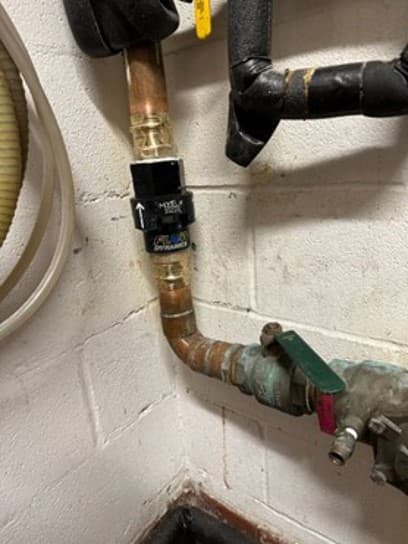
- • Smart Valve technology (15-25% savings)
- • Laundry water recycling (30-40% of laundry water)
- • Cooling tower optimization (20-30%)
- • Smart irrigation (25-50% outdoor)
Case Study: Full-Service Hotel
A 300-room full-service hotel implemented Smart Valve technology and achieved:
22%
Water Bill Reduction
14 mo
Payback Period
No changes to guest room fixtures. No "green" messaging required. Pure operational efficiency.
Meeting EPA WaterSense Goals
The EPA WaterSense program encourages hotels to reduce water use intensity to 35 gallons per occupied room or lower. Reaching this target requires a multi-pronged approach:
- Baseline measurement - Know your current usage per room-night
- Infrastructure audit - Identify leaks, inefficiencies, meter accuracy
- Prioritize by ROI - Start with quick-payback projects
- Track and report - Monitor monthly, report to stakeholders
ESG Reporting Benefits
Water conservation improvements directly support ESG (Environmental, Social, Governance) reporting requirements. For hotel REITs and branded properties, documented water reduction can:
- Improve GRESB scores for real estate investors
- Support brand sustainability pledges
- Qualify for green certifications (LEED, Green Key)
- Reduce exposure to water scarcity risks