Calculating ROI on Water Conservation Investments
A practical guide for facilities managers on calculating and presenting ROI for water conservation projects to gain capital budget approval.
Key Takeaway
Water conservation projects typically deliver ROI in 12-24 months. Present your business case by calculating annual savings, payback period, and 5-year NPV. Include sewer fee savings, which often equal water savings.
The Business Case for Water Conservation
Getting budget approval for water conservation projects requires speaking the language of finance. CFOs and property owners want to see clear numbers: investment cost, payback period, and total return.
Step 1: Calculate Your Current Water Costs
Gather your water bills for the past 12 months. Include:
- Water charges - Base fee plus volumetric charges
- Sewer charges - Often 1:1 with water usage
- Stormwater fees - If applicable
Example: 200,000 sq ft Office Building
Annual Water: $45,000 | Annual Sewer: $42,000 | Total: $87,000
Step 2: Estimate Savings Percentage
Different conservation technologies deliver different results:
| Technology | Typical Savings |
|---|---|
| Smart Valve (meter accuracy) | 15-25% |
| Low-flow fixtures | 10-20% |
| Smart irrigation | 25-50% (outdoor only) |
| Leak detection | 5-10% |
Step 3: Calculate Payback Period
The payback period is the simplest metric for approval:
Payback Formula:
Payback (years) = Investment Cost ÷ Annual Savings
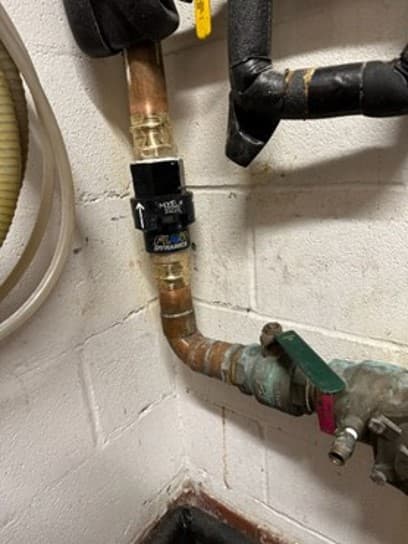
Example: Smart Valve installation cost $12,000. At 20% savings on $87,000 = $17,400/year savings. Payback = $12,000 ÷ $17,400 = 0.69 years (8.3 months)
Step 4: Present 5-Year Value
Show the cumulative value over 5 years to demonstrate long-term impact. Use a discount rate of 8-10% for NPV calculations if required.
5-Year Value (Simple)
$17,400 × 5 years = $87,000 total savings
Investment: $12,000 → Net Benefit: $75,000
Tips for Getting Approval
- Include sewer savings—they're often overlooked
- Show before/after comparisons from case studies
- Mention ESG/sustainability benefits for investor-owned properties
- Highlight the low-risk nature of proven technologies
- Offer to run a pilot on one building first